
As 2025 comes to an end, the global economy is facing continued pressure from persistent inflation, rising public debt, and uneven growth, raising concerns about economic stability in the year ahead.
Although inflation has eased in some advanced economies compared to previous peaks, prices for essential goods such as food, energy, housing, and healthcare remain high in many countries. For millions of households, this has reduced purchasing power and increased the cost of living, especially in developing and low-income nations.
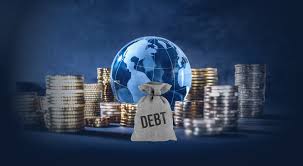
At the same time, global debt levels have reached record highs. Governments borrowed heavily in recent years to manage pandemics, conflicts, climate disasters, and economic slowdowns. Higher interest rates have made debt repayment more expensive, forcing several countries to cut public spending or delay development projects.
Economic growth in 2025 has been uneven across regions. While some major economies showed moderate recovery, many developing countries struggled with weak exports, currency instability, and declining foreign investment. Youth unemployment and job insecurity remain major challenges worldwide.
International financial institutions have warned that without careful policy coordination, inflation control efforts could slow growth further, while unchecked debt could trigger financial crises in vulnerable economies. Experts are urging governments to balance inflation control with job creation, protect social welfare programs, and support sustainable development.
As the world moves into 2026, the global economy remains at a critical crossroads, with policymakers facing tough choices to restore stability, rebuild confidence, and ensure economic recovery benefits people across all income levels.
Leave a Reply