
By Staff Writer | Life & Society
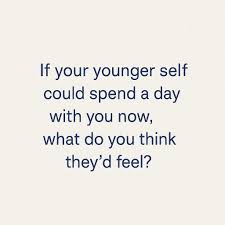
Imagine standing face to face with the child you once were—the version of you who dreamed freely, believed deeply, and trusted that life would unfold exactly as hoped. What would they see in you today?
This question is gaining quiet attention across social platforms, classrooms, and workplaces, as more people reflect on the distance between who they wanted to become and who they had to become.
Dreams Then, Reality Now
For many, childhood dreams were bold and uncomplicated: to be fearless, successful, kind, or simply happy. Time, however, introduced reality—financial pressure, expectations, failure, and compromise. Along the way, ambitions were adjusted, delayed, or quietly abandoned.
Psychologists note that this transition is a natural part of adulthood, but when reflection turns into regret, it can signal unresolved dissatisfaction rather than personal growth.
Would They Be Proud—or Confused?
Experts in behavioral psychology suggest that people often judge their present selves through the lens of achievement. Yet younger versions valued different things—curiosity, honesty, joy, and connection.
If that younger self were to meet us today, would they admire our resilience? Or wonder why we stopped believing in ourselves so easily?
The Cost of Growing Up Too Fast
Modern society pushes individuals to mature quickly. Academic pressure, early responsibility, and constant comparison have shortened the space for exploration. As a result, many adults report feeling disconnected from their inner identity.
Sociologists argue that reconnecting with one’s younger self is not about nostalgia, but about reclaiming authenticity—the parts of ourselves left behind in the race to “be practical.”
A Mirror, Not a Judgment
The question is not meant to shame or glorify the present. Instead, it acts as a mirror—highlighting values that may have been lost, as well as strengths that were gained.
Growth does not always look like success. Sometimes, it looks like survival.
Looking Forward With New Eyes
As conversations around mental health and purpose grow louder, this simple thought experiment offers a powerful pause:
If your younger self met you today, what advice would they give you?
Because becoming who we are was never the end of the story—it was only a chapter.
Leave a Reply