
Introduction
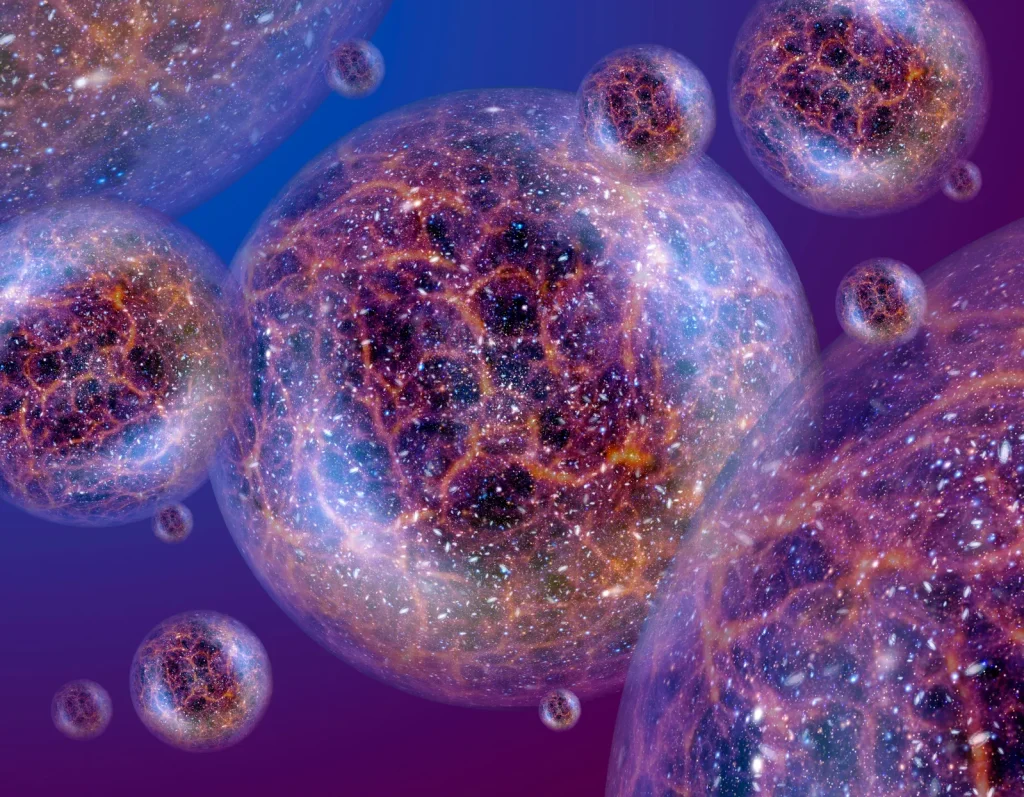
For centuries, humans believed that the universe we see is everything that exists. But modern science is now asking a mind-bending question: What if our universe is just one of many? The idea that multiple universes may exist beyond our own is known as the Multiverse Theory. This theory, once limited to science fiction, is now seriously discussed by leading physicists because it could completely change how we understand reality, space, time, and even ourselves.
What Is the Multiverse?
The multiverse is the idea that our universe is not unique. Instead, it may be part of a much larger collection of universes—each with its own laws of physics, constants, and realities. These universes may exist alongside ours but remain invisible and unreachable with current technology.
In simple terms:
Our universe might be just one page in a very large cosmic book.
Why Do Scientists Believe the Multiverse Might Exist?
The multiverse theory is not just imagination. It arises from real scientific problems and observations:
-
The Fine-Tuning Problem
The laws of physics in our universe are perfectly balanced for life. Even a tiny change in gravity, energy, or atomic forces would make life impossible. Scientists ask: Why is our universe so perfectly tuned?
The multiverse offers an answer—if many universes exist, we happen to live in the one where conditions allow life. -
Inflation Theory
According to modern cosmology, the universe expanded extremely fast right after the Big Bang. Some versions of inflation theory suggest this expansion never truly stopped and continues creating new universes endlessly. -
Quantum Mechanics
At the smallest level of reality, particles behave strangely. One interpretation suggests that every possible outcome of an event actually happens—each in a different universe.
Types of Multiverse Theories (Made Simple)
-
Bubble Universes
Our universe may be one “bubble” among countless others formed during cosmic inflation. Each bubble has different physical laws. -
Parallel Universes
In this idea, multiple versions of reality exist. Different choices or events create separate universes where different outcomes occur. -
Quantum Multiverse
Every decision or random event splits reality into multiple paths. In one universe, you made a choice; in another, you chose differently. -
Mathematical Multiverse
This theory suggests that every possible mathematical structure exists as its own universe—even ones with completely alien rules.
Is There Any Evidence for the Multiverse?
Currently, there is no direct proof of the multiverse. That is one of the biggest criticisms of the theory. However, scientists look for indirect signs such as:
-
Unusual patterns in cosmic background radiation
-
Mathematical consistency in physical theories
-
Predictions that match observable data
While evidence is limited, the multiverse remains a serious scientific hypothesis—not just fantasy.
What Does the Multiverse Mean for Reality?
If the multiverse is real, it would change everything we know:
-
Reality is larger than we imagined
-
The universe may not be unique or special
-
There could be universes where time flows differently
-
Physical laws may not be universal
-
The meaning of chance, destiny, and existence would be redefined
It raises deep questions about identity, free will, and the nature of existence itself.
Are We Alone—or Are There Other Versions of Us?
One of the most fascinating questions is whether other versions of ourselves exist in parallel universes. While this idea is popular in movies, science remains cautious. If parallel universes exist, they may be completely unreachable, meaning we may never meet or communicate with alternate versions of ourselves.
Criticism and Scientific Debate
Many scientists argue that a theory without testable evidence cannot be proven and may not belong to science. Others believe that just because we cannot test it yet does not mean it is wrong. History shows that many scientific truths were once untestable.
Why the Multiverse Matters
Even if the multiverse is never proven, it helps scientists:
-
Explore deeper questions about the universe
-
Improve theories of physics
-
Understand why our universe exists the way it does
The multiverse pushes the limits of human thinking and scientific imagination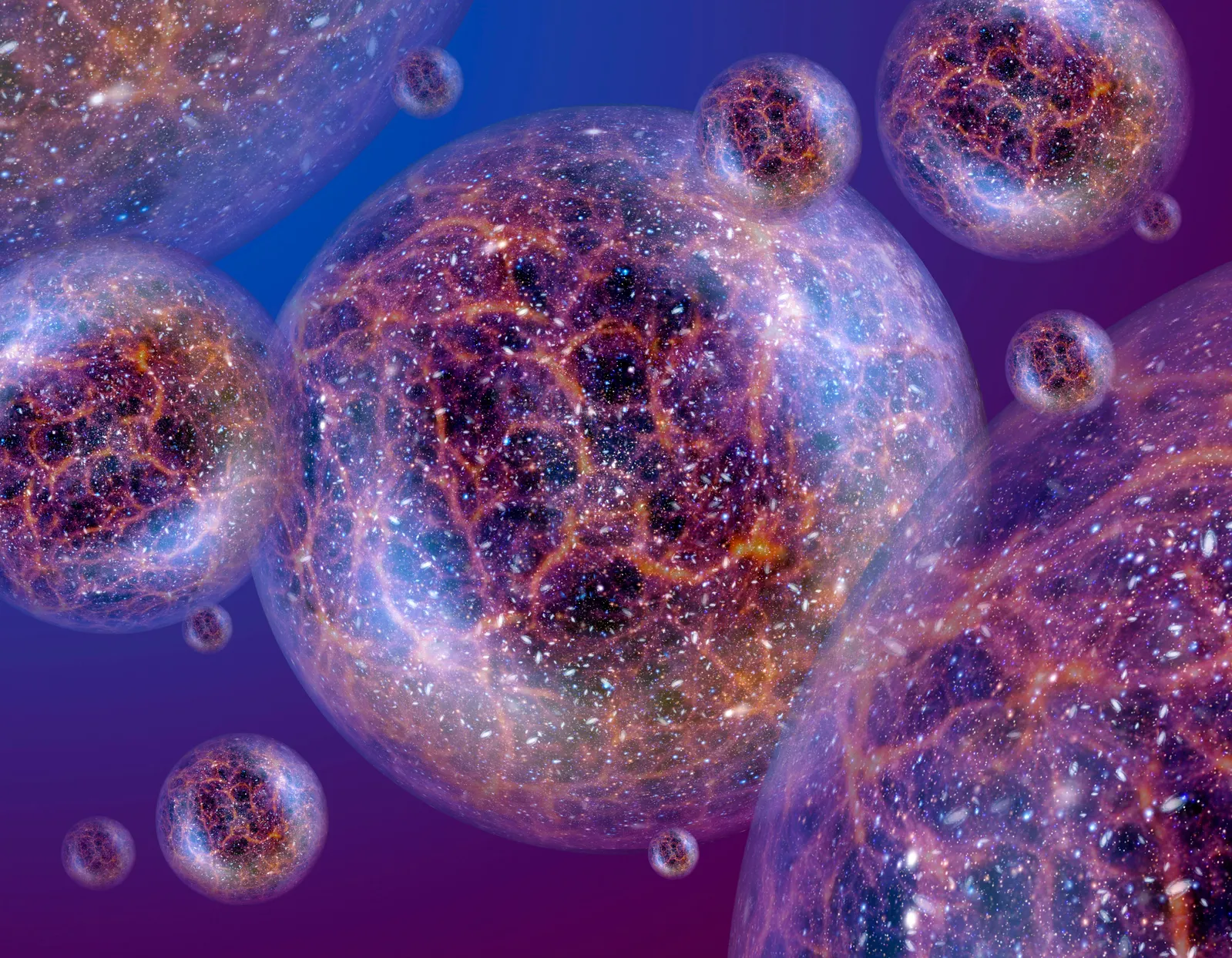
Conclusion
The multiverse theory challenges one of humanity’s oldest assumptions—that our universe is all there is. While still unproven, it offers powerful explanations for some of the deepest mysteries in science. Whether the multiverse exists or not, the question itself expands our understanding of reality and reminds us how much we still have to learn.
We may not yet know if we live in a multiverse—but asking the question may be the most important step toward understanding existence itself.
Leave a Reply